On July 4 2026, I interviewed Dr. Aristotelis-Georgios Sakellariou, a museum collections specialist who holds a PhD on “Museum Representations in Popular Video Games: a 40-year study of buildings, spaces and collections”. Beginning with what he initially believed would be approximately forty examples, his research eventually identified more than 340 museums across video game history.
Dr. Aristoteles’ research has already developed practical applications. Alongside his work at the Islamic Arts Museum Malaysia, he has been a consultant on collections management for the Video Games Museum in Heraklion, which has been recognised by ICOM as an example of good museum practice.
Dr. Aristoteles approaches video games from the perspective of both a museum professional and a lifelong player. His work highlights how video games can represent museums not simply as architectural settings, but as cultural spaces containing collections, exhibitions, installations, educational experiences, and different forms of interaction.
His research originated in a personal experience with Shivers, a 1995 puzzle adventure game developed by Sierra. Growing up on a Greek island, Dr. Aristoteles initially found museums distant and uninteresting. Encountering a colourful and mysterious museum inside the game transformed that perception:
“For the first time in my life, I wanted to be inside a museum”
This experience eventually led him to ask why museums had been extensively studied in literature, film, and comics, but rarely in video games. He began mapping their appearances through personal experience, online databases, conversations with other players, and recorded gameplay available on YouTube.
We discussed several games that provide distinctive museum experiences. Dr. Aristoteles highlighted the contemporary art gallery in Sifu (Sloclap, 2022), whose installations were convincing enough that he sometimes wanted to stop fighting and simply explore the exhibition. He also referred to Ghostbusters Remastered (Terminal Reality, Red Fly Studio, and War Drum Studios, 2009), in which players are financially penalised for damaging museum objects. This apparently simple mechanic encourages players to recognise the material and economic value of a collection.
We also considered the difficulty of recognising individual artistic authorship within collaborative game production. Reflecting on his experience of visiting the exhibition about the videogame Journey (Thatgamecompany, 2012) in Doha, during the Qatar–China Year of Culture in 2016, Dr. Aristoteles proposed that video games could acknowledge their contributors more visibly, like movies do. Rather than limiting recognition to a long list of names at the end of a game, credits could become part of the visual and interactive experience itself.
“Everyone deserves to be acknowledged because everyone contributed to the final work.”
The conversation eventually moved toward the future of artistic production considering the new technologies available. Dr. Aristoteles contrasted contemporary generative tools with the labour involved in creating the pixel art of games such as Elvira: Mistress of the Dark (Horror Soft, 1990), Monkey Island (LucasArts, 1990), Simon the Sorcerer (Adventure Soft, 1993), and Discworld (Teeny Weeny Games and Perfect 10 Productions, 1995). Although he recognised the potential of AI to reduce technical barriers and allow artists to contribute more directly to video games, he also questioned how automation may alter our perception of creative achievement:
“Back then there was a sense of achievement because producing that work demanded tremendous effort and skill.”
His reflections raise an important question for my research. If artistic authorship was once associated with the successful results after overcoming remarkable technical limitations, how will it be understood when similar successful results can be generated rapidly through automated systems?
The interview concluded with a broader discussion about how the worlds of museums and video games can increase their collaboration. We considered exhibitions combining original video game concept art, playable games, and historical objects, allowing visitors to move between artistic processes, cultural references, and completed interactive experiences.
For more information about Dr.Aristoteles’s work, check his profile on Instagram and on LinkedIn.
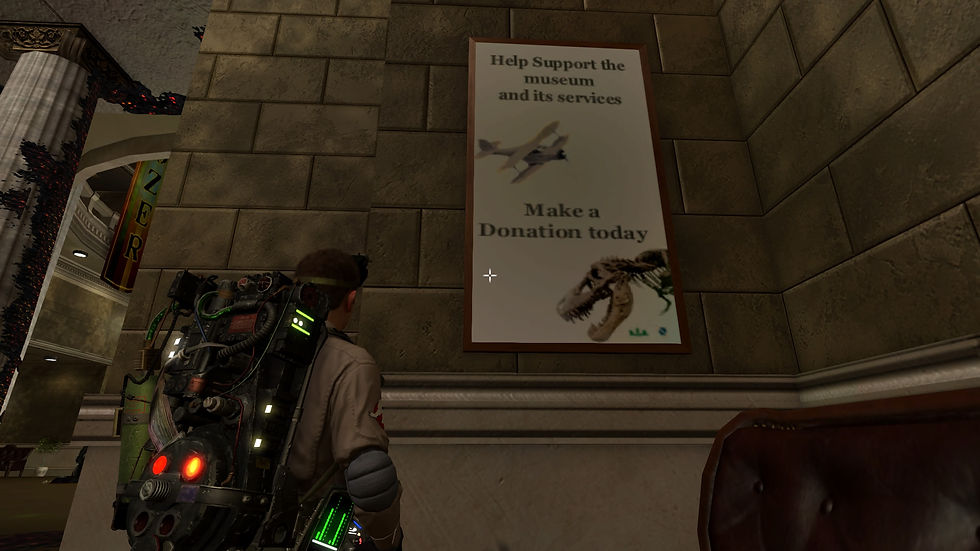
Ghostbusters: The Video Game Remastered (Saber Interactive, 2019)
On June 2, 2026, I interviewed Susan Lammers, author of Programmers at Work, a referential collection of interviews with early software creators conducted in 1985 and published in 1986.
The conversation is especially relevant to my PhD research because Lammers approached programmers as creative practitioners, not only as technical specialists. Her reflections offer an important historical perspective on how early software creators thought about invention, constraint, structure, and authorship.
We discussed her interview with Toru Iwatani, creator of Pac-Man, and the broader question of how creative identity emerged in the early years of personal computing and video games. One of the central themes was dealing with technical limitations.
Lammers said: “In a lot of ways, programming is like architecture.”
She also described how early programmers had to reduce their ideas to their clearest possible form: “They had to distil their ideas to such a degree that there is a purity to them.”
This idea connects directly to my research on early video game authorship. In games like Pac-Man, artistic identity did not simply appear once technology became more powerful. It emerged through limitation, simplification, and careful design choices.
Lammers also recalled that Iwatani and his team considered making Pac-Man more visually detailed, including adding a face, but rejected the idea because it would be distracting. For my project, this is a crucial insight: simplicity was not only a technical condition, but also an aesthetic decision.
The interview also moved toward present-day questions about artificial intelligence, procedural generation, and the future of authorship. If early computing was defined by scarcity and hardware limits, today’s creative systems may be defined by abundance, speed, and the need for new boundaries.
This conversation will contribute the first publication of my PhD, which focuses on early video games, creative constraint, and proto-artistic authorship.
Susan Lammers’ Programmers at Work, the 40th Anniversary Edition, will be released this July 2026 by 8080 Books/Simon and Schuster. It contains a new introduction and all the classic interviews.
.jpg)
Pac-Man (Namco, 1980)
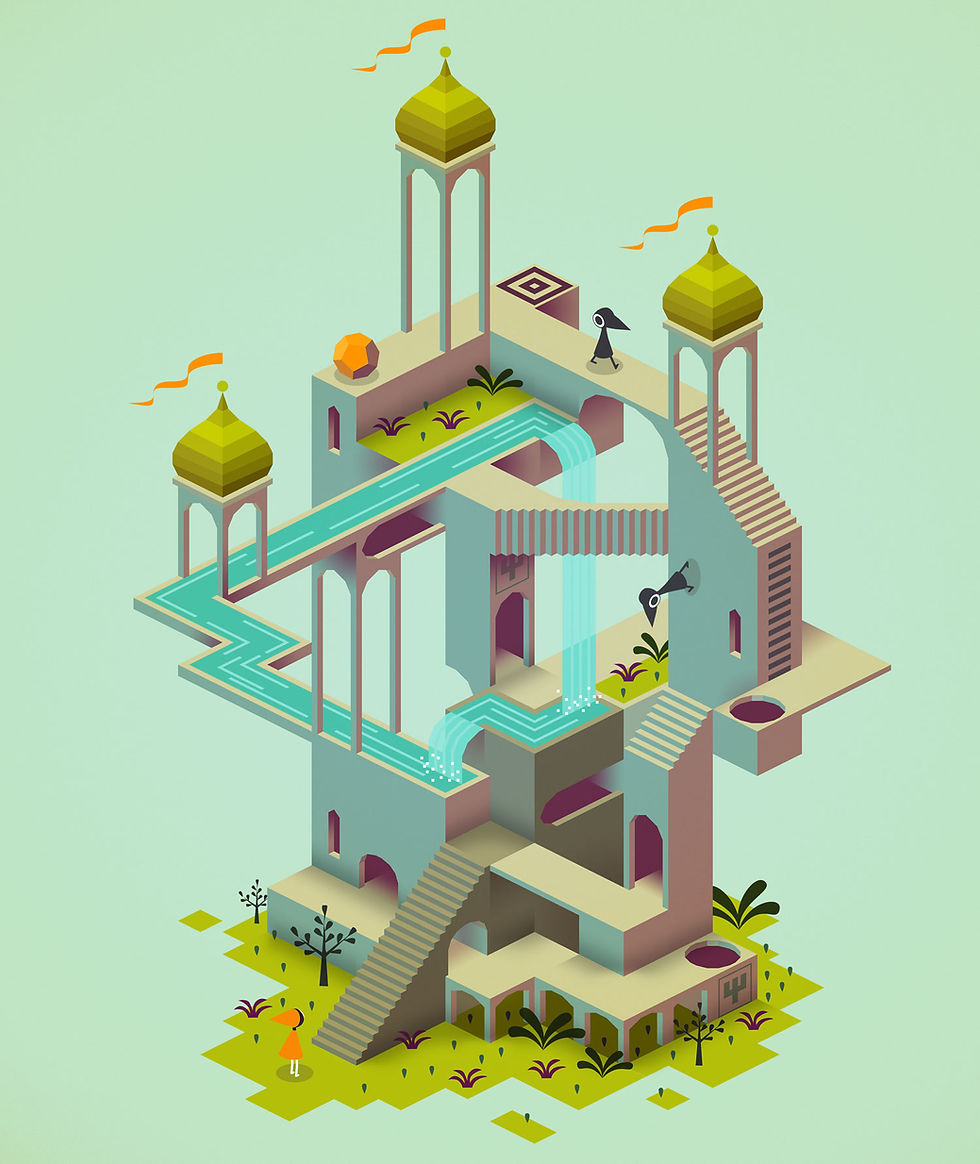
Monument Valley (Ustwo Games., 2014)
Country: Spain
Age: 40-50
Which video game holds a special place in your memory because of its artistic qualities?
Monument Valley. It takes M.C. Escher’s visual concepts a step further by combining striking visuals with gameplay mechanics, narrative, and music that all follow the same artistic direction. It’s a puzzle game with a level of difficulty that never feels frustrating. It’s not so easy that it becomes trivial, but it’s also very difficult to get completely stuck. Every level feels like an artistic experience. The visual design is its strongest feature, but the other elements are equally impressive.
How did you start in the video game industry, and what were your first projects?
I started in 2007. The first title I worked on was never released, as it was cancelled halfway through development. It was called Gifted and was an adventure game for the Wii. The second title I worked on was the video game adaptation of the film Planet 51, which was released in 2009.
Is there an artist whose work has inspired you within the industry?
In terms of visual art, not really. As for narrative design and music, my influences are hardly original: Neil Druckmann and Jeremy Soule, respectively.
Since you began working in the industry, how have you seen the role of artists evolve?
The biggest change has been the increasing specialisation of animation, which used to be part of the art department in most studios. More broadly, there has also been growing recognition of video games as an artistic medium. That shift has gradually opened up new opportunities for both the industry and players.
Many players express concern about a lack of originality in today's video games. Do you agree? Why or why not?
I don't agree. The variety available today is enormous. Perhaps—and only perhaps—there is less risk-taking in big-budget productions, but that's not a problem in itself, nor do I think it's something worth complaining about.
How do you think indie games and mainstream games differ in terms of the opportunities artists have to influence the final product?
In mainstream games, commercial viability is the main driving force. In indie games, that's sometimes the case as well, but not always.
What aspects of indie games allow for greater artistic freedom?
I don't believe artistic freedom exists in isolation—not in video games, nor in any multidisciplinary art form such as cinema or theatre. Everyone involved in a project is ultimately bound by the project's purpose and by the need to maintain coherence with the work of the other creators.
What skills or qualities do you consider essential for an artist working in video games today?
Talent, formal training, a solid understanding of game design, and broad general knowledge in the widest sense of the term.
How do you think emerging technologies, such as artificial intelligence, are affecting the role of artists in video game development?
I think they will streamline certain processes while also increasing the value of work that is created in a more handcrafted way.
How could the industry better support artists in gaining greater recognition for their work?
I don't think that's the industry's responsibility. Artists who feel under-recognised should seek greater visibility, form professional associations, or find other ways to promote themselves, rather than expecting others to satisfy their ego.
The seven traditional arts are Painting, Sculpture, Literature, Architecture, Theatre, Cinema, and Music. Do you think video games should be considered part of this list?
Video games are already beginning to be referred to as the tenth art. The eighth position is generally contested between photography and television, while the ninth is widely accepted to be comics.

Curse of Monkey Island (LucasArts 1997)
Country: Australia
Age: 30-35
Which video game brings you a special memory due to its artistic component?
Yoshi's Island, I first played it on GBA and even on the small screen the crayon style art was memorable. Also the animated style of Curse of Monkey Island.
Is there a particular artist whose work has inspired you in gaming?
Not that I can think of.
Many gamers express concern about a lack of originality in games today. Do you agree? Why?
No, I think there are still original concepts, even if they may be mash-ups of other games or ideas. Crypt of the Necrodancer comes to mind as an original kind of rhythm game.
How do you think indie and mainstream games differ regarding their possibilities for the artists’ influence?
I think indie developers have more freedom and flexibility even down to release timeframes. With the example of Silksong, a long-awaited sequel to Hollow Knight, the developers Team Cherry held off on release for years where another mainstream developer might have had to push for an earlier release.
How do you see emerging technologies (like AI) affecting the role of artists in game development?
Emerging technologies could lead to changes in the development process - concept art via AI, NPC text lines being automatically generated. Some "shovelware" titles made by small indie developers may end up being more affected and filled with AI content. Scrolling through the Nintendo eShop, there are a lot of games under $5 on constant sale that look like they're only there to trick people into buying them, these will probably be more likely to see AI included in their creation.
How could the industry better support artists working in video games to gain more recognition?
Promoting and attributing specific artists could be one move - I've seen that some fan communities pay more attention to designers, like how some composers are specifically famous for their music in certain series - even to the extent of indie artists like Toby Fox from Undertale ending up as a composer for Pokemon Scarlet and Violet.
The seven traditional art forms are Painting, Sculpture, Literature, Architecture, Theatre, Film, and Music. Should video games be part of this list? How far are we from that?
Games should be included on the list, even as an interactive form of art. I think it will happen in the near future, but some people will argue over whether only some games are part of the art form. Like whether the 2012 Journey game on PlayStation 3 is on the same level as the yearly installment of a sports game.
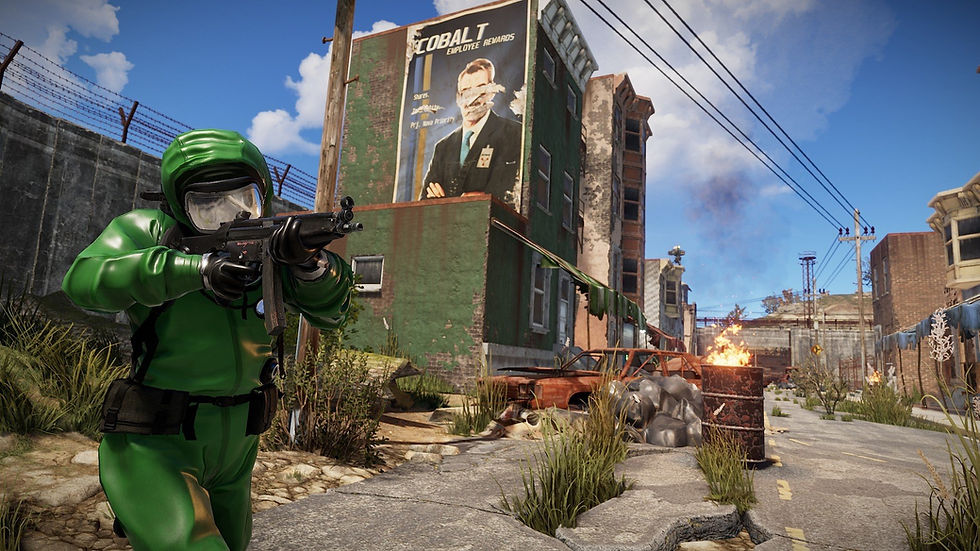
Rust (Facepunch Studios 2018)
Country: Qatar
Age: 25-35
Which video game brings you a special memory due to its artistic component?
It Takes Two, Rust, and Elden Ring — each stands out in a different way.
Is there a particular artist whose work has inspired you in gaming?
Hidetaka Miyazaki
Many gamers express concern about a lack of originality in games today. Do you agree? Why?
I agree, though I don’t complain about it. Sometimes I actually like that studios stick to certain fundamentals while adding their own influence or creative touch. I assume many studios are afraid to take risks with something entirely new, so they choose instead to compete within familiar formats but add a twist. Battle royales are a good example of this.
How do you think indie and mainstream games differ regarding their possibilities for the artists’ influence?
Indie games often carry their own distinct identity. Rust is the best example—born out of a hunger to create something new, bold, and strongly tied to the studio’s name.
How do you see emerging technologies (like AI) affecting the role of artists in game development?
I’m not deeply informed about AI, but I’d assume it could eventually take over, especially since creativity in gaming feels like it’s declining, with developers repeating the same play styles.
How could the industry better support artists working in video games to gain more recognition?
Award ceremonies
The seven traditional art forms are Painting, Sculpture, Literature, Architecture, Theatre, Film, and Music. Should video games be part of this list? How far are we from that?
Absolutely

Death Stranding 2: On the Beach (Kojima Productions, 2025)
Country: Palestine
Age: 25-35
Which video game brings you a special memory due to its artistic component?
For me, Hades is unforgettable. its incredible art and how it brings Greek mythology to life in such a fresh and powerful way secured a spot in my memory. I might be a bit biased because I’ve always loved Greek mythology, but the hand-drawn characters feel so full of personality and emotion. The colors, the details, and the way the visuals change as you progress make the whole experience feel alive and deeply immersive. It’s more than just a game to me; it feels like stepping into a beautifully crafted world where every artistic choice adds meaning and emotion.
Is there a particular artist whose work has inspired you in gaming?
Conrad Roset’s art in Gris has deeply inspired me. The game tells its story without dialogue or text , and in that silence, his breathtaking illustrations become the voice of the entire experience. His art is raw and tender, carrying the weight of grief, hope, and healing in every brushstroke. Watching the world of Gris unfold through his art made me realize how powerful and vulnerable storytelling can be without uttering a single word.
Many gamers express concern about a lack of originality in games today. Do you agree? Why?
Yes and no. I completely understand the frustration. I almost swear off indie games every time a new one drops and turns out to be yet another moody puzzle-platformer. And on the mainstream side, the pressure to stay profitable often leads to endless sequels, remakes, and formulaic gameplay that leaves little room for risk or creativity.
But when a game, often indie, finally breaks through the noise with something truly original, it’s like a breath of fresh air. It reminds us why we fell in love with gaming in the first place.
How do you think indie and mainstream games differ regarding their possibilities for the artists’ influence?
The difference feels huge—almost like two different worlds. In indie games, you can feel the artist’s fingerprints on every part of the experience. there’s a kind of soul and vulnerability that shines through when artists are free to take risks and pour themselves into the work. It feels raw, personal, and often deeply moving.
In contrast, mainstream games, while often visually stunning, sometimes feel like the result of hundreds of voices being filtered through layers and layers of approvals and market expectations. Art can get so polished to perfection, that it loses some of its heart and the creative spark that makes something unique can be dulled by the pressure to sell.
How do you see emerging technologies (like AI) affecting the role of artists in game development?
It’s a complicated feeling, equal parts awe and unease.
On one hand, AI has the potential to be an incredible tool for artists. It can take over repetitive, technical tasks which makes a huge difference with small, overworked teams. it can give artists more space to focus on the emotional core of their work.
But at the same time, what happens when studios start using AI instead of artists?! There’s something deeply unsettling about AI-generated art, it often feels haunted, like it’s mimicking emotion without ever truly understanding it. There’s a strange hollowness to it and in a medium that thrives on emotional connection and personal expression, that absence is chilling.
To me, the future should be one where AI supports artists, not replaces them. A future where human creativity is always leading, and AI simply helps carry the load.
How could the industry better support artists working in video games to gain more recognition?
First, artists need to be brought out of the shadows. Too often, their work is front and center in a game's visual identity, but their names are nowhere to be found unless you dig through credits like you’re on a side quest. We celebrate directors, composers, even voice actors, but the artists who literally shape the world we’re playing in often go unrecognized.
Studios could start by giving artists more creative ownership and visibility, not just behind the scenes but in marketing, interviews, and awards. Platforms like the Game Awards should have categories specifically for visual storytelling, art direction and individual artists, not just entire studios.
And why not promote concept art like we promote trailers?? Those early sketches are often the soul of the game before a single mechanic exists. We need to stop treating game artists like background noise and instead as the emotional architects of the experience.
The seven traditional art forms are Painting, Sculpture, Literature, Architecture, Theatre, Film, and Music. Should video games be part of this list? How far are we from that?
Yes! unequivocally, yes.
Video games are not just worthy of being on that list, they may be the most complex and layered art form we’ve ever created.
Games combine visual art, music, writing, architecture, acting, and interactivity into one dynamic experience. They don’t just ask you to observe, they ask you toparticipate. To make choices. To feel consequences. What other medium can do that? And yet, despite all this, games still fight for legitimacy in the traditional art world.
With games like Journey and Gris, you get meditative, emotional experiences. Then you have titles like The Last of Us, Red Dead Redemption 2, and Death Stranding; mainstream games that push narrative, visual design, and performance into deeply artistic territory. These games don’t just look good, they feel profound. They make us pause, reflect, even grieve!
So yes, the line between “game” and “art” isn’t just blurred anymore, it’s faded. We’re not far at all, maybe we’re one generation of art critics away?

Shadow of the Colossus (Sony Computer Entertainment, 2005)
Country: Portugal
Age: 20-25
Which video game brings you a special memory due to its artistic component?
The game I feel the strongest connection to is, by far, Shadow of the Colossus. The art direction of Fumito Ueda is unmatched. The feeling of walking through his world without any NPCs, without music—just you, your horse, and the mystery of what lies beyond—is unforgettable. Ueda’s games are not technical masterpieces like Red Dead Redemption 2, but they work so well with familiar components and transform them into something truly unique.
How did you get involved with the video game industry and your first video game(s)?
Like most kids born in the 2000s, my strongest early gaming memory is Minecraft. I never owned a console until I got a PS4 in 2017, so before that, I spent a lot of time watching gameplay videos on YouTube. After the Minecraft era, I was introduced to story-driven games like God of War, Shadow of the Colossus, Assassin’s Creed, Far Cry, and others.
Is there a particular artist whose work has inspired you in the industry?
I don’t work in the gaming industry, but artists like Ueda, Miyazaki, and Kojima inspire me to be a better artist and to see the world differently. Creating games like they do—and like many others do—is something truly magical. I believe art in video games has the potential to be the most beautiful of all art forms because of the immersion factor. However, this potential is often not fully realized.
Many gamers express concern about a lack of originality in games today. Do you agree? Why?
I agree to a certain extent. Games are increasingly made in a formulaic way, sometimes relying heavily on big franchise names. However, I also think this perception exists partly because the number of games being released has grown. People often mistake a surplus of mediocre games for a decline in overall quality. In recent years, we’ve had outstanding titles like The Last of Us Part II, Baldur’s Gate 3, Elden Ring, and Cyberpunk 2077 (which had a rough launch but is now excellent). While the proportion of great games may have decreased, I believe this is due to the sheer volume of average ones. It’s not something that worries me much—I still have hope in the gaming industry.
How do you think indie and mainstream games differ regarding their possibilities for the artists’ influence?
If you create an exceptional game, even without the resources of a AAA studio, you can still gain recognition and credit. Indie developers do face limitations in terms of budget and resources, but they have something equally valuable: freedom. They can make whatever they want without a corporate executive saying “no.” This means indie games might not appeal to everyone, but that’s exactly what makes them so special and unique.
What aspects of indie video games offer the most artistic freedom?
As I mentioned before, indie games have virtually limitless creative possibilities. No one tells these developers what they can or cannot do in order to maximize sales. That independence allows for more personal, experimental, and unique artistic visions.
How do you see emerging technologies (such as AI) affecting the artist’s role in game development?
I think AI will be a great tool for gaming. It can help fix problems like bugs and streamline certain processes. If you have a truly creative mind and play an important role in a game’s creation, AI can be an ally, enhancing your work rather than replacing it.
How can the industry better support artists working in video games to obtain wider recognition?
Some game creators already enjoy wide recognition—Miyazaki, Kojima, and perhaps Ueda (though less so, in my opinion). Interestingly, they’re all Japanese and all brilliant in their own way. If you make a significant impact on a game’s development, your name will eventually be known, though the process differs from film or TV, where creators receive more individual credit. I think there’s a certain beauty in contributing to something for what it gives to others, rather than for personal recognition. Still, I believe developers deserve more visibility. This could start with promotional campaigns, such as interviews with department leads on platforms like IGN, to showcase the development side of games. Recognition would naturally follow.
The seven traditional art forms are Painting, Sculpture, Literature, Architecture, Theatre, Film, and Music. Do you believe video games should be included in this list? How far are we from that?
As I’ve said before, I believe video games have the most potential of all art forms because they require the audience to actively pay attention and interact with them. We’re still far from having the same number of masterpieces as in other art forms, but the great works that already exist in gaming show that reaching that point is possible.
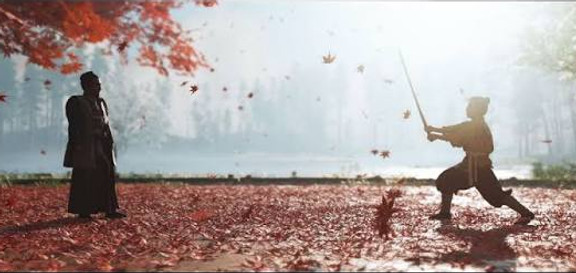
Ghost of Tsushima (Sucker Punch Productions, 2020)
Country: Egypt
Age: 30-35
Which video game brings you a special memory due to its artistic component?
Before Your Eyes
Ghost of Tsushima
Journey
kingdom hearts
Detroit: Become Human
Is there a particular artist/s that inspired you for its artistic contributions to the industry?
Hideo Kojima
Many gamers express their concern about video games' progressive lack of originality. Do you agree? Why?
Yes, I agree. A lot of modern video games prioritize commercial success through online multiplayer modes, battle passes, and in-game purchases rather than investing in original storytelling or artistic depth. This shift has led to a saturation of formulaic games that recycle mechanics and aesthetics, often at the expense of creativity. While some titles still focus on rich narratives and innovative design, many gamers feel that originality is becoming rarer in mainstream releases, making it harder to find games that offer meaningful or emotionally engaging experiences.
How do you think indie and mainstream video games differ regarding their possibilities for the artist’s influence?
Indie and mainstream video games differ significantly in terms of the artist’s influence. Indie games, unlike mainstream AAA titles, don’t rely on big brand names or massive budgets. This gives indie developers more creative freedom to experiment with new ideas, mechanics, and art styles without the pressure to meet commercial expectations. Instead of trying to compete with what’s already popular, indie games often aim to offer something unique or personal. This makes them a powerful space for artistic expression, where the vision of the developer or small team can shape the entire experience—from storytelling and visuals to gameplay and tone.
How do you see emerging technologies affecting the role of artists in video game development? (for example, AI)
Emerging technologies like AI are starting to influence video game development, but their impact on the role of artists remains limited for now. While many games already use AI—especially large language models—to enhance dialogue systems or create more dynamic narratives, this technology hasn’t yet become central to gameplay itself. Artists still play a key role in shaping the visual and emotional tone of a game, designing characters, environments, and storytelling elements in ways that AI cannot fully replicate. AI may offer new tools or assist with certain tasks, but it’s unlikely to replace the creative vision and human touch that artists bring to game development. Instead, it may evolve into a collaborative tool that helps artists explore new possibilities more efficiently.
How can the industry better support artists working in video games to obtain wider recognition?
Supporting their marketing and promotion of their games
The seven commonly accepted art forms are Painting, Sculpture, Literature, Architecture, Theater, Film, and Music.
Do you think video games should enter this list? How far are we from that?
Yes definitely. We are already seeing this with many games like (the Last of Us) being turned into movies. The Minecraft movie is also a good example.
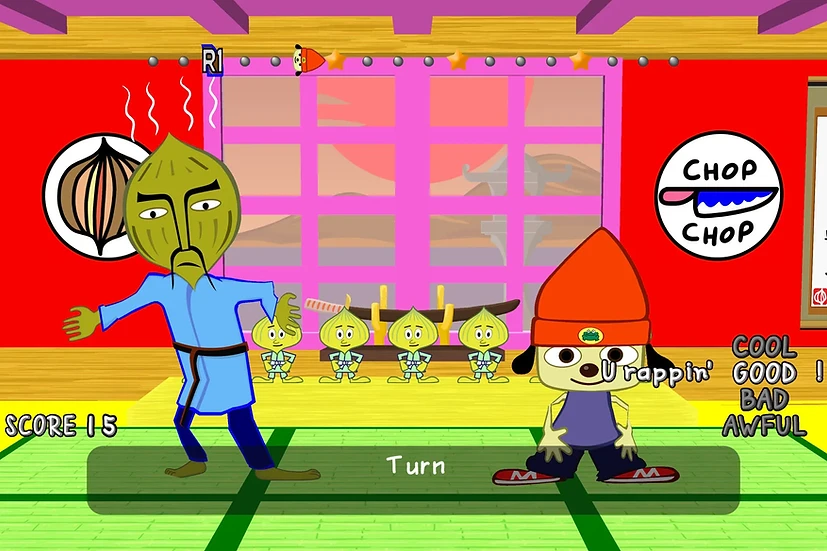
PaRappa the Rapper (NanaOn-Sha, 1996)
Country: Spain
Age: 35-40
Which video game brings you a special memory due to its artistic component?
Journey immediately comes to mind for its experiential component.
Anything Kojima is involved with, I suppose, because of his passion for cinema.
Blasphemous for being inspired by Catholic folklore.
Cuphead, and a recent shooter in the style of Cuphead and 1950s Mickey Mouse.
Hotline Miami for the integration of music with the changing colour background and how it relates to the action.
Jet Set Radio and PaRappa the Rapper from Dreamcast.
There are many pixel art games that I guess connect with a feeling of nostalgia, and indies are really exploring that.
From the early years, Earthworm Jim, and a fighting game with clay fighters, ClayFighters.
Half-Life and Portal, or rather Valve in general. I've always been impressed by the care put into the graphic design surrounding their works – I'm talking about logos, iconography, etc.
How did you get involved with the video game industry and your first video game/s?
As a player.
In the late 90s, with a Pentium 386 and a Master System II.
On Master System II: Sonic, Alex Kidd, and Mickey Mouse and Illusion Castle.
On PC: Monkey Island and Day of the Tentacle, Wolfenstein, Doom, Civilization II, SimCity, Quake, Half-Life, and boomer shooters in general.
Many gamers express concerns about video games’ progressive lack of originality. Do you agree? Why?
I'm concerned about the new business models, with in-game sales, the so-called "games as a service" that are free-to-play and maintained by in-game purchases.
In general, though I think this is a personal view, the radical liberalism of our society means that even video games aren't just for fun anymore. Speculation has entered the scene, and you play to find things to sell (the same thing that happened with the sneaker hype, which has dragged Nike down).
How do you think indie and mainstream video games differ regarding the possibilities for artistic influence?
Being author-driven games, I understand that they can propose more risky ideas or those further away from the mainstream.
Also, the democratisation of technology increasingly allows smaller teams to achieve greater results, alongside platforms that support indies and give them visibility.
What aspects of indie video games provide the most freedom for artistic expression?
The same points as the previous answer.
What skills or qualities are essential for an artist in video games today?
I suppose the vast majority of titles are in 3D, so digital sculpting would be essential.
How do you see emerging technologies affecting the role of artists in video game development (e.g., AI)?
I believe that in the indie sector, pixel art was gaining traction visually, partly due to nostalgia and its ease/possibility of creation.
However, generative AI for creating art could be a game-changer, from images to 3D elements.
The seven commonly accepted art forms are Painting, Sculpture, Literature, Architecture, Theater, Film, and Music. Do you think video games should enter this list? How far are we from that?
Absolutely, without a doubt. Nowadays, the teams developing AAA titles manage budgets and timelines larger than those in cinema, and they are the economic engine of culture.

Red Dead Redemption 2 (Rockstar Games., 2018)
Country: Qatar
Age: 35-40
Which video game brings you a special memory due to its artistic component?
If we are talking about modern games, I really was into the first “The Last of Us” it was really special because the story blew my mind.
Also I really like Red Dead Redemption 2 that came out recently. Also the design and the story was great.
Is there a particular artist whose work has inspired you in gaming?
There is no particular artist I follow in games. But I really like a very good story in a game to keep me engaged.
Many gamers express concern about a lack of originality in games today. Do you agree? Why?
I disagree. Right now especially a bunch of original ideas are coming out specifically with the indie games.
How do you think indie and mainstream games differ regarding their possibilities for the artists’ influence?
Indie can differ with the art and story they’re telling. Mainstream for example like Ubisoft are too afraid to take risks and explore new art and ideas.
How do you see emerging technologies (like AI) affecting the role of artists in game development?
It can effect with the coders, now from what I see coders and asking AI to write complex codes for them in seconds where it would’ve taken them months maybe.
How could the industry better support artists working in video games to gain more recognition?
I would say some artists that are trending can bring new audiences to a company. For example like Kojima.
The seven traditional art forms are Painting, Sculpture, Literature, Architecture, Theatre, Film, and Music. Should video games be part of this list? How far are we from that?
Definitely gaming should be the new 8th art. In all of these art the most common thing between them is storytelling and its the oldest thing the human invented and adapted over the years. And now video games is the new way to tell a very compelling story.
Country: Qatar
Age: 30-40
Which indie video game brings you a special memory due to its artistic component?
Many indie games lean on nostalgia—pixel art, lo-fi sounds, and 2D platforming. Games like Limbo and Journey take a more artistic approach. Minecraft in its beta phase stood out to me. The low-res graphics and ambient sound created a unique aesthetic. Dink Smallwood also stayed with me—not for its visuals, but for its humor and immersive RPG design. Cuphead is another great example—its 1930s cartoon style was a bold and successful artistic choice. While indie games often emphasize art, artistry isn’t exclusive to them—many mainstream games do this well too.
How did you get involved with the video game industry and your first video game(s)?
My early exposure was through Atari at my relatives’ homes. My first console was the Sakher AX170 MSX. I moved through Sega, Super Nintendo, and eventually chose the Neo Geo for its impressive 2D graphics. Later, I bought a Sega Saturn instead of a PlayStation—only to switch once I saw the PlayStation’s broader library. Since then, I’ve used PlayStation consoles and PCs. Graphics were a priority early on, but with PS4 and PS5, performance became more important than resolution. I also experimented with RPG Maker, Game Maker, and Flash in the early 2000s—just for fun, inspired by what independent creators were doing online.
Is there a particular artist or artists that inspired you for their artistic contributions to the video game industry?
I’ve always appreciated distinct studio styles. SNK’s Shinkiro stood out early on. Kojima’s work with Konami was also impactful. Capcom had a unique aesthetic, especially in Street Fighter. Naoto Ōshima’s design of Sonic was iconic and helped shape an era. I would also mention the artistic direction in The Sims and SimCity. You can almost still hear the music and the unique language spoken in The Sims—it left a lasting artistic impression.
Since you started engaging with video games, how have you seen the role of artists evolve?
Games today are about mood and immersion. Artists shape that experience—sunsets, shadows, lighting—they set the tone. Art is no longer just visual. Sound, cinematics, and choreography are part of the artistic direction. Symbolism in games is now more valued, thanks to audiences being more visually cultured. Games are built on a 'holy trinity' of gameplay, story, and art. When one dominates, the game speaks to a more niche audience.
Many gamers express concern about video games’ progressive lack of originality. Do you agree? Why?
Mainstream games follow patterns because they work, but that doesn’t mean they lack originality. Innovation still appears in mechanics, visuals, and story. Games like Journey and Gris are original, but they speak to a specific audience—not everyone.
How do you think indie and mainstream video games differ regarding their possibilities for the artist’s influence?
Every game has an art direction, but in big studios, the artist is usually executing a vision—not defining it. In indie games, the artist’s influence is more direct. In games like Journey or Gris, it’s not always clear whether the art led the concept or vice versa—but either way, the artist’s hand is visible.
What aspects of indie video games provide the most freedom for artistic expression?
True freedom happens when the artist leads development. But that can result in unpredictable outcomes, even unplayable ones. Indie games allow this risk—prioritizing expression over mass-market appeal.
Please describe how your unique artistic vision had a significant impact on a game’s development.
I’m not a professional artist, but I used tools like RPG Maker and Flash to create small storytelling games. I worked within limitations to shape the mood and structure.
Please walk us through a typical collaboration process between an artist and the game development team.
Not applicable professionally, but I shared my drafts with friends for feedback. That informal feedback shaped my direction.
What challenges have you faced when integrating your artistic vision into a video game?
I often spent time learning how to build specific scenes or sequences. The tools were limited, but I worked with what I had to create something expressive.
How do you keep the artist’s original vision throughout the game’s development?
I didn’t follow a strict vision—my tone shifted freely between dramatic, spooky, or humorous. It was experimental and fun.
What skills or qualities are essential for an artist in video games today?
If I were an art director, I’d value teamwork. I’d select the right artists, writers, and coders, and guide them clearly. Leadership and clarity of vision are key.
How do you see emerging technologies affecting the role of artists in video game development? (For example, AI)
AI will radically change game development. It can generate evolving stories, dynamic campaigns, and lifelike NPCs. That’s exciting—but also concerning. It could reduce the need for traditional creative roles. If something is generated by a model, is it still art? Maybe human originality—the things AI hasn't learned—will become more valuable than ever.
How can the industry better support artists working in video games to obtain wider recognition?
We hear about developers and directors, but the artists are rarely seen. They should be brought forward—interviewed, credited publicly, and made part of the game's identity.
Do you think video games should enter the list of traditional art forms? How far are we from that?
Video games combine all seven traditional art forms—painting, sculpture, literature, architecture, theater, film, and music. They’re not the eighth form—they’re a fusion of all. Their power lies in interactivity and synthesis.

Dink Smallwood (Robinson Technologies, 1998)
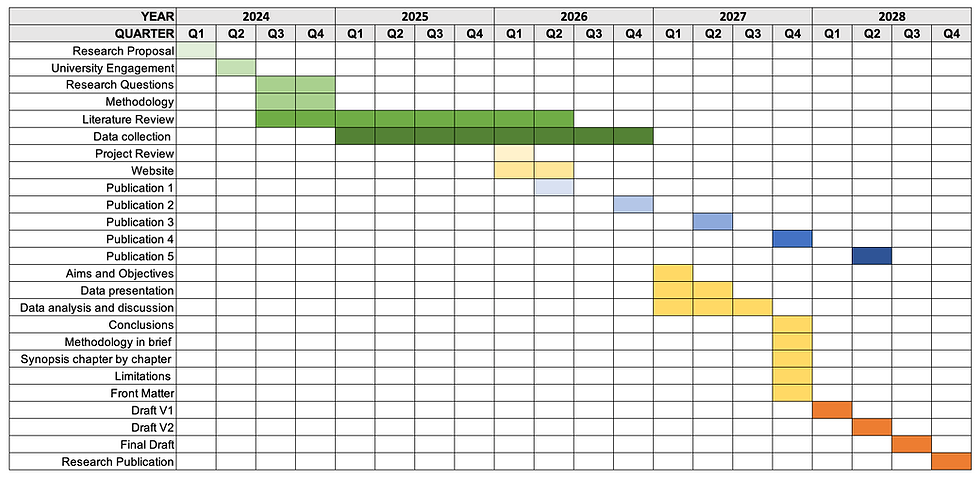
This schedule provides an indicative overview of the PhD timeline from 2024 to 2028, mapping major phases such as proposal work, literature review, data collection, publications, analysis, and thesis drafting. It is organised by quarters to support steady progress and regular review points. The schedule is intentionally flexible and will be updated as the project develops, with adjustments made in response to research findings, opportunities, and institutional requirements.
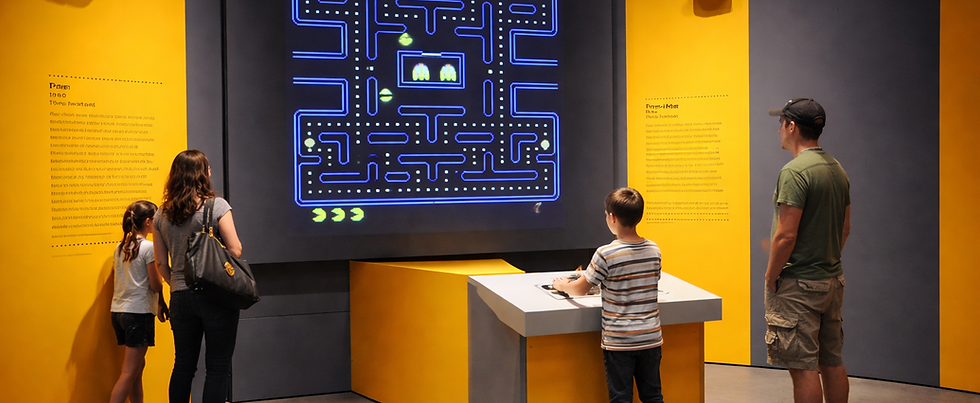
The research proposal outlines the aims, theoretical framework, historical scope, methodology, and planned outputs of the study, centered on understanding how artistic authorship operates in video game history. The document serves as the foundation for the ongoing research.
© 2026 Art in Video Games
Copyright & Content Disclaimer
This website is primarily a research and educational platform. Third-party images and media are used for research, criticism, commentary and documentation, with all rights remaining with their respective owners. Some areas of the website describe professional and consultancy services, and some illustrative imagery may be AI-generated. No affiliation with or endorsement by referenced rights holders is implied. Rights holders may contact the author regarding attribution, correction or removal.
Research Journal
The Research Journal follows the development of this PhD project, sharing research progress, interviews, case-study notes, conference participation and publications.
It also documents how the research questions and methods evolve as we examine different periods and approaches to video-game development.
The journal offers a space to share ideas, questions and findings as the research progresses.